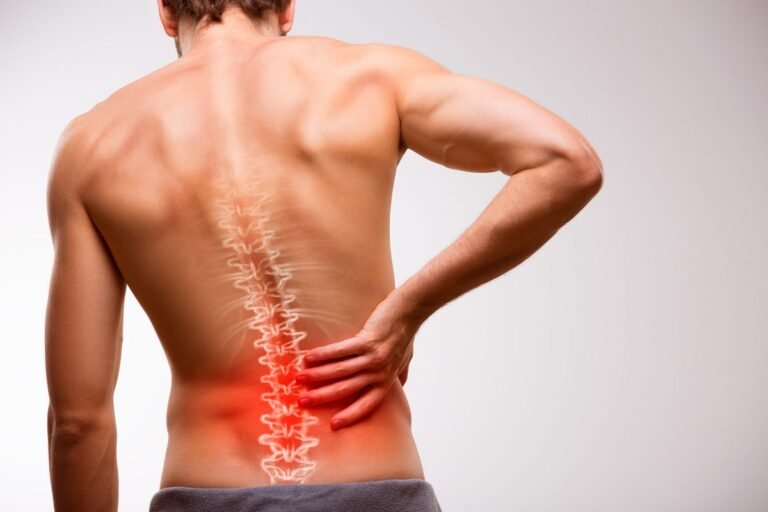
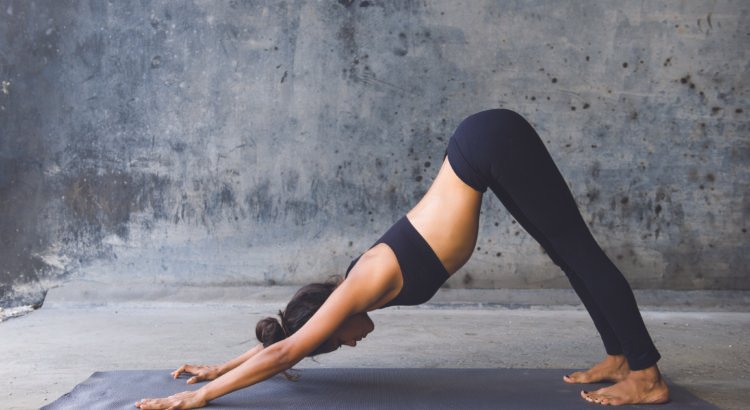
13 Cool Benefits of Stretching Before, After and During Exercise
A lot of people exercise everyday without knowing the amazing benefits of stretching. The few that stretch perform it once they are done with their routine or before they begin to exercise. If you are not sure when is the right time to stretch – whether it is before, during or after the exercise – we are all like you.
In this article, I would show you some of the benefits of stretching, and the right way to perform them.
- The various types of stretching
- The safe way to stretch
- Benefits of stretching (this includes before, during and after exercise)
You have to know the basics of stretching before you can read on the benefits of stretching.
Types of Stretching
Stretching is the process your body uses to keep your body open to more fluid , blood, oxygen and nutrients after a strenuous exercise. It is a very important aspect of exercise and it increases flexibility in joints and decreases the chances of injury and soreness to the muscles.
There are different kind of stretching that have specific benefits for different type of exercise.
Static
This kind of stretching is done during your workout and after you are done. This is a long stretch where your body would stay in still in a particular stretching position for a while.
Dynamic
You perform this kind of stretching before and after an exercise. This stretching allows you to move your muscles in a fluid motion.
Passive
You perform this type after you finished working out. For you to perform this exercise, you would need to use an equipment, your bodyweight or some kind of prop. The point here is that your body relaxes while the machine does the rest of the job.
Active
This kind of stretching is done before, during an after your workout session. This stretching involves you contracting the opposing muscle of area of the body you are trying to relax.
The safest way to stretch
It is important that you don’t start stretching the moment you enter the gym. You have to get your body warm. So before you start stretching, shake your body a bit to spread warmth all over your limbs.
If you are performing a static stretch, maintain the position for up to 30 seconds so that your tissues can get used to the new elongated length.
It’s okay to try and push yourself to limit. Just remember that when you begin to feel pain, you are doing it wrong – instead you are causing more damage than good.
Benefits of stretching
We’ve gone through the basics, now let’s look at the benefits of stretching with tips on how to implement it in your workout routine.
Benefits of stretching before exercise
Starting your workout with stretching allows you a greater range of motion (ROM) and optimizes your workout routine. Check out some reasons you can perform stretching before exercise.
1. It prevents injury
Stretching elongate your muscles. Elongation of reduces the chances of your muscle or tissue tearing during exercise. When you push your body during exercise without stretching before, the chances of you getting injured increases drastically.
Going into your exercise without warming up first, the tensed muscles and tissues are much more susceptible to injury.
2. Increase your oxygen flow
Oxygen is very important for effective performance. Insufficient oxygen flow would lead to injury. You would start to feel pain and soreness in your muscles if they are not properly oxygenated. Stretching not only provides more oxygen for your muscles, it improves movement performance.
3. Reduces fatigue
Instead of just spending 20 minutes and getting extremely fatigued, stretching allows you to withstand longer exercise sessions. What stretching does is that the areas of your muscles that needs longer to wake up, it gives then the required nudge, so that your workout sessions can be more optimized.
4. Serves as motivation and energy booster
When you haven’t used or lengthened your muscle, there is an accumulation of blood in them. When you stretch, there is a distribution of blood causing an increase in energy levels. The increased blood levels also reaches your brain through the spine. This blood reaching your brain helps increase your concentration levels and motivates to start working out.
5. Improve your performance
When you have increased your oxygen levels, reduced fatigue and motivation levels, you would be sure to perform better during your workout session.

Benefits of stretching during exercise
With modern fitness and increased knowledge in the anatomy and physiology of the body, health experts had advised that you take breaks for stretching. A good training course would include stretching during exercise.
6. Increases Coordination
This is one of the benefits of stretching that is especially needful for bodybuilders or strength trainers. When your muscles get tired and you stretch, it improves the neuro pathway of mind to your muscles. It keeps you coordinated so that your technique remains safe for the remainder of the workout.
7. Give you an energy boost
The same way you deliver oxygen to all the target areas of your body to boost energy levels, it is also beneficial during exercise. Stretching mid exercise would keep you energized even during the hard moments.
8. Better awareness of your body
Stretching not only helps to prevent injury, it helps assess your energy levels and determine of you have to increase your energy levels or take a step back.
9. Reduction in lactic acid build up
When you perform exercise especially intense or strength training, there is a huge increase in lactic acid in the blood stream. Stretching would help you to eliminate it from your body. Lactic acid would cause you to feel pain and soreness and hinder you from making progress while exercising.
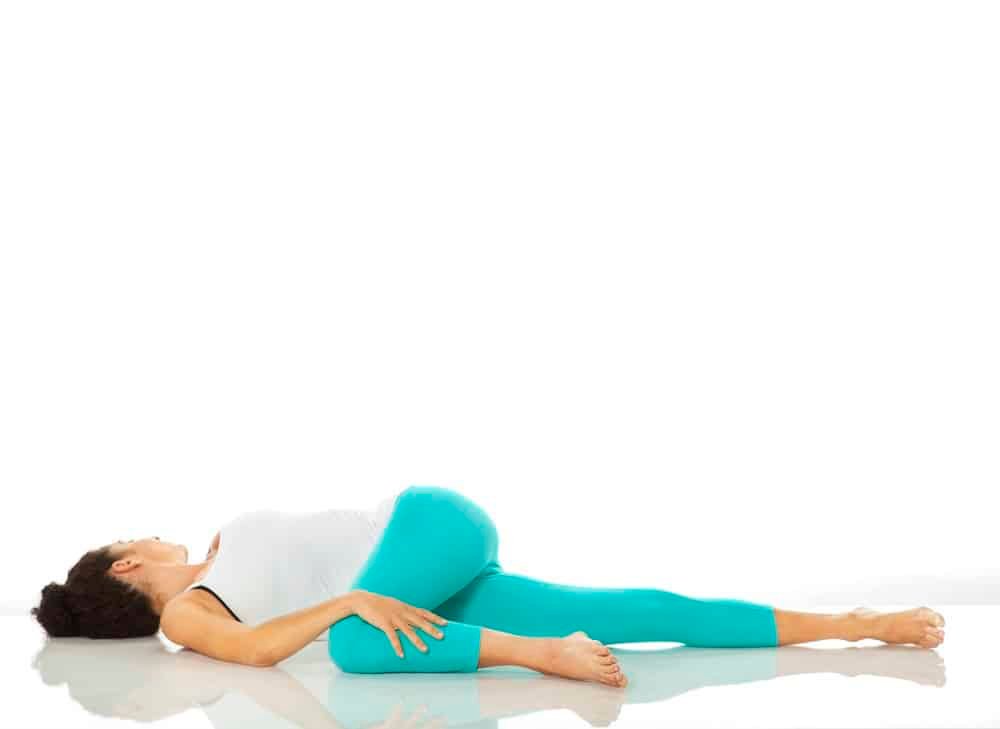
Benefits of stretching after exercise
Why do I have to stretch after a rigorous workout sesh? I just want to lay down and relax. Several studies have shown that if your don’t stretch after a workout, the effects can leave you sore, in serious pain and the chances of getting injured increases.
10. Repair of muscle immediately
When you stretch after a workout, there is an increase in blood flow which allows your muscles to relax. And the oxygen derived from the blood flow start to repair muscles immediately.
The heart rate normally reduces after exercise, so stretching increases blood flow helping you to recover faster.
11. Increase your flexibility
Flexibility doesn’t offer just the ability to show your mad stretching skills during yoga class, but also reduce tension in trouble muscles. Develop the habit of stretching post work and you would start to notice a difference in your productivity after exercise.
Tip: Performing static stretches would give you access to some length in certain areas if your body.
12. Protect your joints
Connective tissues and muscle attachments surrounds you joints. When you stretch them, you reduce tension in them and they stick less loosely to your joints. This would reduce the pressure you feel in them and allows you to move more freely.
13. Reduce risk of cramping
Stretching does the following to your body – eliminates lactic acid, relaxes your muscles and increases blood flow to all parts of your body. All these benefits of stretching helps to reduce cramping.
Tips: Drinking water while stretching is very advisable because dehydration is one of the things to cause cramping.